


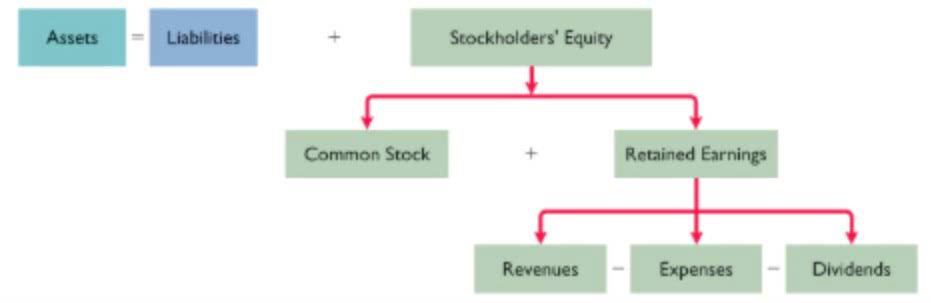
Building an elegant chart of accounts requires balancing the need for sufficient relevant financial data with the desire to keep reports simple and understandable. Our nonprofit professionals can help you structure your financial systems to wholly support your mission work and enhance the effectiveness of your organization. Many organizations start out tracking their transactions in a spreadsheet for simplicity. However, as your church grows and its financial situation becomes more complex, you’ll eventually need to switch to dedicated accounting software. Liabilities are used extensively when an organization is using accrual based accounting.
ChurchBooks3 Church Software
Having a variety of revenue streams makes your church more financially stable. If one source falls through or some of your expenses are higher than expected, it’s easier to recover when you don’t have all of your funding eggs in one basket. And, if everything goes to plan, you can use your additional revenue to create an emergency fund or save for long-term church growth. Aplos is specifically built to serve the unique financial needs and dynamics of nonprofit groups and faith-based organizations. You can confidently manage your books, financial health, and bottom line the right way, the first time and every time. I have found the best way to go about Bookstime this is to work alongside our amazing church finance committee.
Free Resources
We discuss these two methods in the third part of this series as one method greatly affects the liabilities and the other doesn’t. Effective financial management is critical to the long-term success and sustainability of a church or nonprofit organization. It helps maintain trust with donors and stakeholders while ensuring resources are used to further the organization’s mission. Nonprofit organizations are required by the IRS to use fund accounting. Fund accounting will keep track of the different types of donations you receive and ensure they are allocated to the right expenditures. This ensures transparency, helps track fund usage, and builds trust with donors by showing that designated gifts are used appropriately.
Non-operating Expenses
Transparency in financial matters can help build and maintain trust with donors and members. When people see that the church is using funds wisely and responsibly, they may be more inclined to give. By understanding and effectively utilizing a Chart of Accounts, churches can ensure they are managing their finances in a way that best supports their mission and serves their community. We’ve put together a few sample Chart of Accounts below for you to review and use as needed. But remember, a Chart of Accounts will vary based on the specific needs of each church. While this is the primary function of a COA, each recording transactions system can be multi-layered and complex.
- Although nearly all churches are tax-exempt organizations, that doesn’t mean your church can write off tax season!
- Additionally, regardless of organization-wide annual filing requirements, your church needs to help its employees file their individual income taxes.
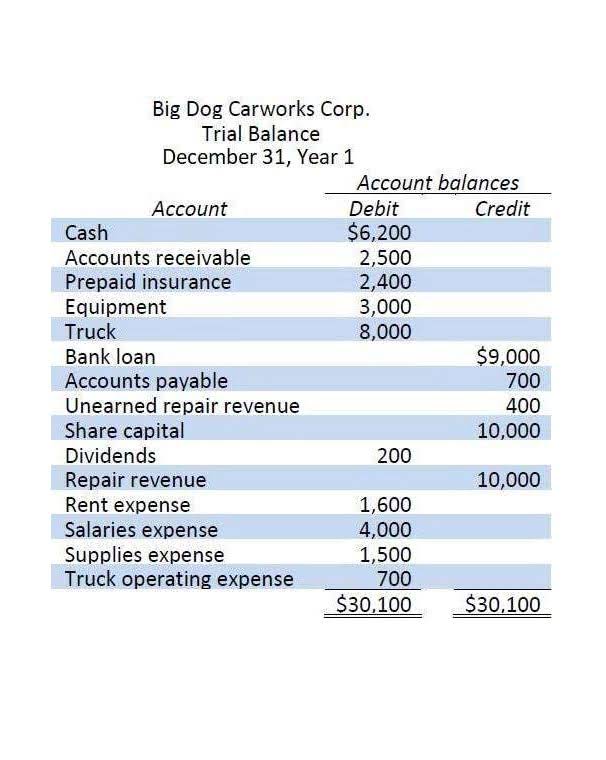
- A normal balance is a double entry accounting term that describes how an account is increased or decreased.
- However, it’s important to know how the accounting system handles deleted or merged accounts after transactions have posted to them.
- The interfund transfer accounts help to decrease one fund (General) and increase another fund (Youth).
Start your free trial
Liabilities only lower with a debit transaction, thus why the bank gives you a debit card for checking accounts. The assets in the church’s chart of accounts contain balances for accounts like checking, savings, CDs, and investments (i.e. stocks). Other assets that may be listed are buildings, land, and accounts receivables. There are three major expense categories – Cost of Sales, Operating, and Non-operating Expenses.
Church Chart Of Accounts Best Practices
While we are defining assets, we need to straighten out another misconception on checking accounts in regards to how the debits and credits work. A debit transaction into a checkbook actually increases the balance of the checkbooks. Let’s explain this in more detail as to why there’s church chart of accounts some confusion.
Additional Resources
These statements are essential for providing information to church leaders, members, and donors about the church’s financial health. A detailed COA makes it easier to create and manage budgets, as it provides a clear picture of all revenue accounts and expense categories. This helps the church plan for the future and make strategic decisions about resource allocation. A well-structured COA allows the church to accurately track and report on how funds are being used, which is critical for financial transparency and accountability. It can also aid in ensuring that funds are used in accordance with donor restrictions and in alignment with the church’s mission and goals. Your equity account might be further broken down into sub-categories, such as net income and fund balances.